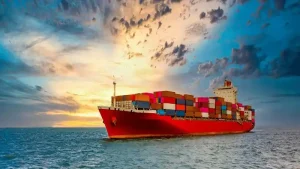
International logistics is a critical component of the global economy, enabling the efficient movement of goods, services, and information across borders. As globalization continues to shape industries, international logistics plays a central role in connecting markets, fostering economic development, and supporting supply chain integration. This article delves into the complexities, significance, challenges, and future trends in international logistics, offering a comprehensive overview of its operations and impact.
1. Understanding International Logistics
International logistics encompasses the planning, execution, and management of activities required to transport goods and services from one country to another. It involves coordination between multiple stakeholders, including manufacturers, suppliers, transportation providers, customs authorities, and end consumers. The goal is to ensure the timely delivery of products while minimizing costs, maintaining quality, and complying with regulatory requirements.
Key components of international logistics include:
- Transportation: Selecting the appropriate modes (air, sea, road, rail) for moving goods.
- Warehousing: Storing goods at strategic locations to facilitate distribution.
- Customs Clearance: Ensuring compliance with import/export regulations.
- Documentation: Managing paperwork such as bills of lading, invoices, and certificates of origin.
- Supply Chain Coordination: Aligning activities across multiple parties to achieve efficiency.
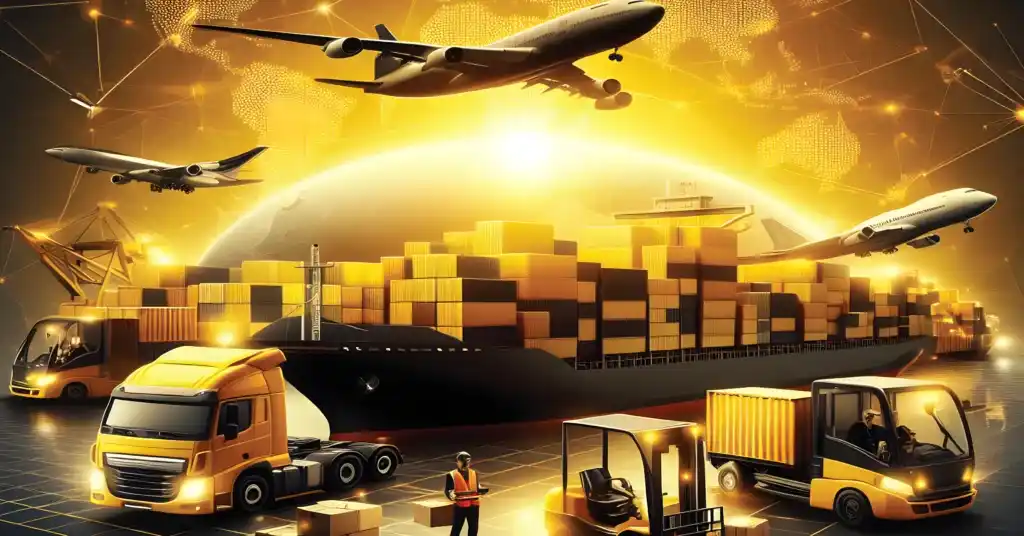
2. The Economic Importance of International Logistics
International logistics is fundamental to global trade, which accounts for trillions of dollars in economic activity annually. By facilitating the movement of goods between countries, it enables businesses to access international markets, expand their customer base, and source raw materials or products at competitive prices. Key economic benefits include:
a) Market Access
International logistics allows companies to enter new markets, reaching consumers in regions where their products would otherwise be unavailable.
b) Cost Optimization
Efficient logistics systems reduce transportation and storage costs, enabling businesses to compete on price in global markets.
c) Economic Integration
Logistics promotes regional and global economic integration by connecting countries through trade routes and supply chains.
d) Employment Generation
The logistics industry provides jobs in transportation, warehousing, freight forwarding, and customs brokerage, contributing to economic growth.
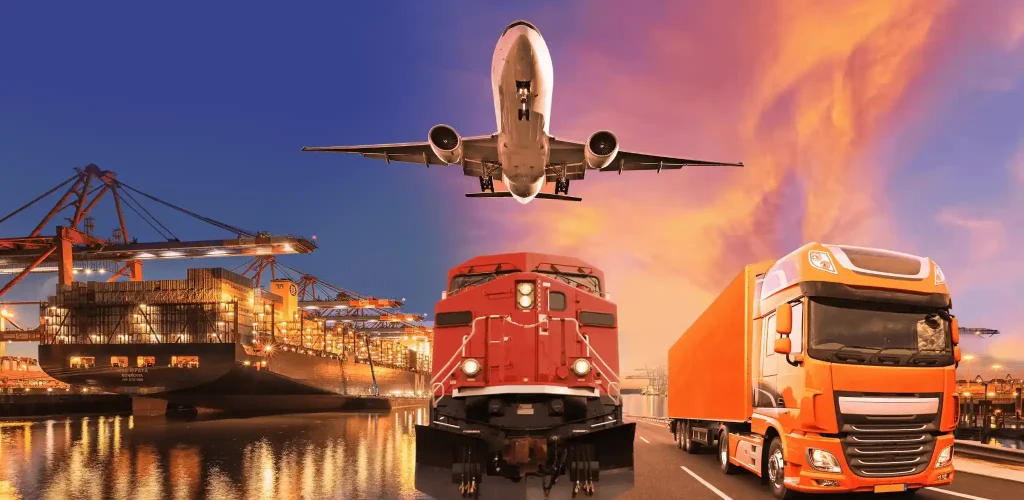
3. Modes of Transportation in International Logistics
The choice of transportation mode depends on factors such as cost, speed, and the nature of goods being shipped. Each mode has its advantages and limitations:
a) Maritime Transport
- Accounts for over 80% of global trade by volume.
- Ideal for bulk cargo such as oil, coal, and agricultural products.
- Cost-effective but slower compared to air transport.
b) Air Freight
- Suitable for high-value, time-sensitive goods like electronics and pharmaceuticals.
- Expensive but offers speed and reliability.
c) Road Transport
- Essential for last-mile delivery and connecting inland areas to ports and airports.
- Limited by geographical and regulatory constraints.
d) Rail Transport
- Efficient for landlocked regions and bulk goods.
- Environmentally friendly but requires extensive infrastructure.
4. Key Processes in International Logistics
a) Supply Chain Planning
Effective international logistics begins with strategic supply chain planning. This includes demand forecasting, inventory management, and route optimization to minimize costs and transit times.
b) Customs and Regulatory Compliance
Navigating complex customs regulations is a critical aspect of international logistics. This involves adhering to import/export laws, paying tariffs, and ensuring that goods meet the standards of the destination country.
c) Freight Forwarding
Freight forwarders act as intermediaries, coordinating transportation, documentation, and customs clearance on behalf of shippers. They play a vital role in streamlining cross-border logistics.
d) Risk Management
International shipments are exposed to risks such as theft, damage, delays, and geopolitical disruptions. Logistics providers use insurance, tracking systems, and contingency planning to mitigate these risks.
5. Challenges in International Logistics
Despite its importance, international logistics faces numerous challenges that can disrupt operations and increase costs:
a) Geopolitical Risks
Trade wars, sanctions, and political instability can create uncertainties in shipping routes and market access.
b) Regulatory Complexity
Differences in customs procedures, tariffs, and trade agreements make compliance challenging for businesses operating across multiple countries.
c) Infrastructure Limitations
Poor infrastructure in some regions, including inadequate ports, roads, and storage facilities, hampers the efficiency of logistics operations.
d) Environmental Concerns
The logistics sector is a significant contributor to greenhouse gas emissions. Meeting sustainability goals while maintaining cost efficiency is a key challenge.
e) Technological Integration
Adopting advanced technologies such as blockchain, IoT, and AI requires significant investment and expertise, which can be barriers for smaller companies.
f) Supply Chain Disruptions
Events like the COVID-19 pandemic highlighted the vulnerability of global supply chains to disruptions caused by natural disasters, labor strikes, and other unforeseen events.

6. Technology in International Logistics
Technological advancements are transforming international logistics, improving efficiency, transparency, and sustainability. Key innovations include:
a) Blockchain Technology
Blockchain provides secure, tamper-proof records of transactions, enabling better tracking of goods and reducing fraud. Smart contracts automate payment processes, reducing delays.
b) Internet of Things (IoT)
IoT devices monitor shipments in real-time, providing data on location, temperature, and humidity. This is particularly important for perishable and high-value goods.
c) Artificial Intelligence (AI)
AI algorithms optimize route planning, demand forecasting, and inventory management, reducing costs and improving decision-making.
d) Automation and Robotics
Automated warehouses and robotic handling systems increase efficiency and reduce labor costs. Drones and autonomous vehicles are being explored for last-mile delivery.
e) Big Data Analytics
Analyzing large datasets enables logistics providers to identify trends, predict demand, and improve operational efficiency.
7. Sustainability in International Logistics
Sustainability is becoming a priority in international logistics as businesses strive to reduce their environmental footprint. Initiatives include:
a) Eco-Friendly Transportation
Switching to low-emission vehicles, using biofuels, and adopting electric and hydrogen-powered trucks are steps toward greener logistics.
b) Optimized Shipping Routes
Reducing fuel consumption through optimized routes and slow steaming helps lower emissions.
c) Packaging Innovations
Using recyclable, biodegradable, and lightweight materials reduces waste and shipping costs.
d) Carbon Offset Programs
Logistics providers are investing in renewable energy projects and reforestation to offset carbon emissions.
8. Future Trends in International Logistics
The future of international logistics will be shaped by technological innovation, sustainability, and evolving trade dynamics. Key trends include:
a) Digital Supply Chains
Fully digitized supply chains will provide end-to-end visibility, enabling faster decision-making and improved collaboration among stakeholders.
b) Resilient Logistics Networks
Businesses will focus on building more resilient logistics networks to withstand disruptions. This includes diversifying suppliers and increasing regionalization.
c) Autonomous Vehicles and Drones
Autonomous trucks and drones have the potential to revolutionize last-mile delivery, reducing costs and improving efficiency.
d) Global E-Commerce Growth
The rise of e-commerce is driving demand for faster, more flexible logistics solutions. Cross-border e-commerce logistics will require innovative approaches to meet customer expectations.
e) AI and Predictive Analytics
Advanced analytics will enable logistics providers to anticipate demand, manage risks, and improve operational efficiency.
9. Conclusion
International logistics is the backbone of global trade, connecting markets and enabling the flow of goods across borders. Despite facing challenges such as regulatory complexities, geopolitical risks, and environmental concerns, the sector is adapting through technological innovation and sustainability initiatives. As global trade continues to evolve, international logistics will remain a critical enabler of economic growth and international cooperation. By embracing new technologies, building resilient supply chains, and prioritizing sustainability, the industry can meet the demands of a rapidly changing world and continue to drive progress for years to come.