Maritime transport, also known as ocean freight, plays a pivotal role in the global economy by facilitating the movement of goods and raw materials across continents. As the backbone of international trade, it connects nations, drives economic growth, and supports the supply chain networks that sustain industries worldwide. This article explores the significance, challenges, and evolving trends in maritime transport, providing an in-depth understanding of its multifaceted nature.
1. Historical Overview of Maritime Transport
Maritime transport has a long and storied history, dating back to ancient civilizations. Early seafarers such as the Phoenicians, Egyptians, Greeks, and Romans used ships to trade goods like spices, textiles, and precious metals. Maritime exploration during the Age of Discovery in the 15th and 16th centuries expanded trade routes, establishing connections between Europe, Asia, Africa, and the Americas. The advent of steamships in the 19th century revolutionized shipping, making it faster and more reliable. Today, advanced container ships, tankers, and bulk carriers form the backbone of global trade.
2. Economic Significance of Maritime Transport
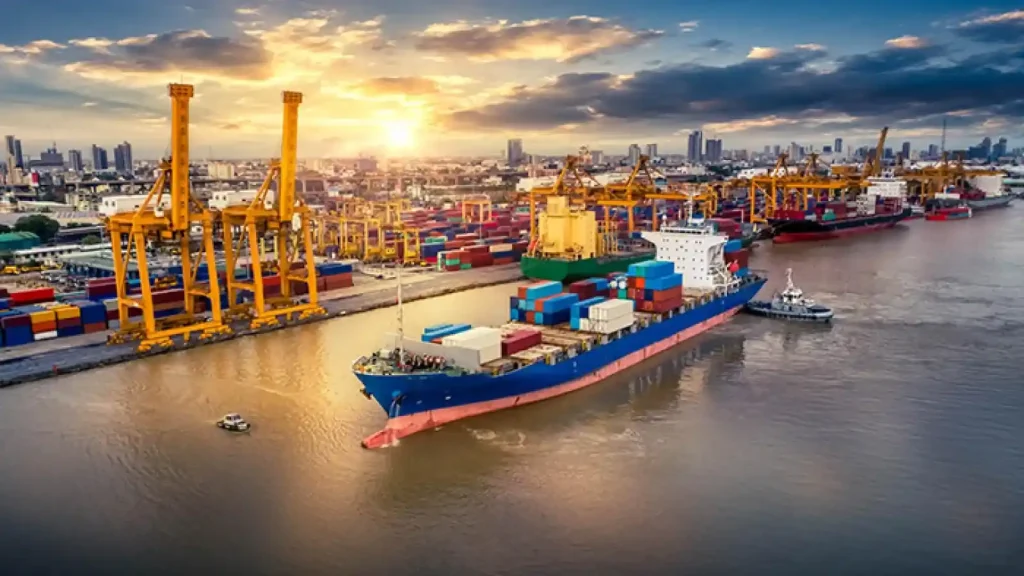
Maritime transport is indispensable to the global economy. Over 80% of international trade by volume and over 70% by value is carried by sea. The sector facilitates the movement of essential commodities, including oil, coal, grains, and manufactured goods. Ports serve as vital nodes in the supply chain, supporting employment, infrastructure development, and regional economic growth.
The cost-effectiveness of maritime transport makes it the preferred mode for bulk cargo. Shipping offers economies of scale, allowing large quantities of goods to be transported at a relatively low cost compared to air or land transport. This affordability has enabled globalization, allowing companies to establish global supply chains and consumers to access a wide range of products.
3. Key Components of Maritime Transport
Maritime transport consists of several interconnected elements that work together to ensure smooth operations:
a) Ships
Ships are the primary vehicles of maritime transport, classified into different types based on their purpose:
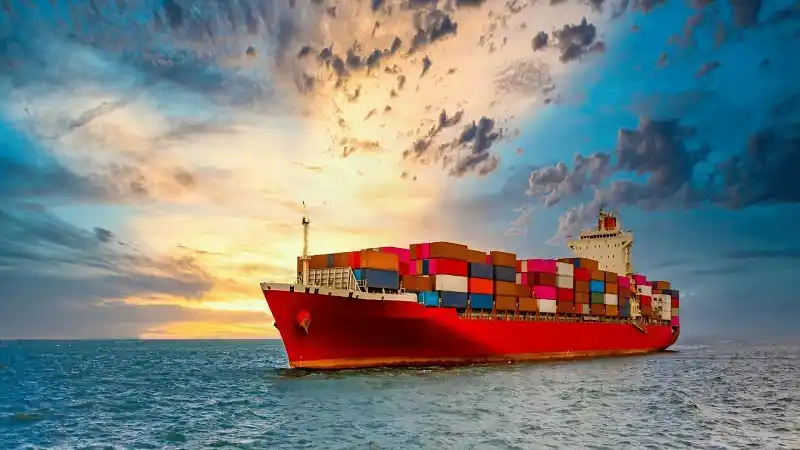
- Container Ships: Transport standardized containers used for goods such as electronics, clothing, and machinery.
- Bulk Carriers: Handle unpackaged cargo like coal, iron ore, and grains.
- Tankers: Designed to transport liquid cargo, including crude oil, chemicals, and liquefied natural gas (LNG).
- Ro-Ro Ships: Carry vehicles and wheeled cargo.
b) Ports and Terminals
Ports act as hubs for loading and unloading goods. Modern ports are equipped with advanced technologies such as automated cranes, tracking systems, and storage facilities. Major ports like Shanghai, Rotterdam, and Singapore are critical to international trade.
c) Shipping Companies
Major shipping companies such as Maersk, MSC, and CMA CGM operate vast fleets and networks. They provide essential services, including freight forwarding, cargo consolidation, and logistics planning.
d) Regulatory Frameworks
Maritime transport operates under international regulations to ensure safety, environmental protection, and fair trade. The International Maritime Organization (IMO) plays a key role in setting standards for ship design, operation, and emissions.
4. Technological Advancements in Maritime Transport
Technological innovations have significantly transformed the maritime industry:
a) Containerization
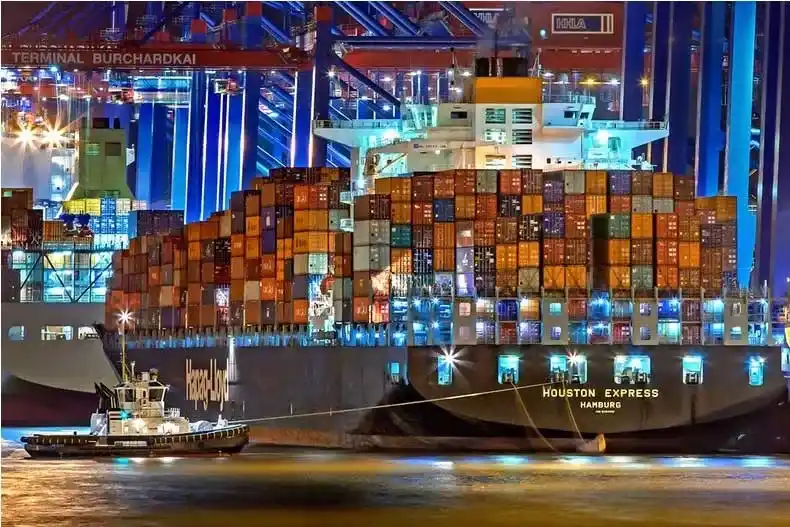
The introduction of standardized containers in the mid-20th century revolutionized shipping. Containers facilitate efficient loading, unloading, and intermodal transport, reducing costs and transit times.
b) Automation and Digitalization
Modern ports and vessels increasingly rely on automation and digital tools. Technologies like blockchain, artificial intelligence (AI), and Internet of Things (IoT) improve cargo tracking, enhance supply chain transparency, and optimize operations.
c) Green Shipping Technologies
Sustainability is a growing priority in the maritime sector. Shipbuilders are adopting eco-friendly designs, such as LNG-powered engines, wind-assisted propulsion, and hull optimization to reduce fuel consumption and emissions.
5. Challenges Facing Maritime Transport
Despite its significance, maritime transport faces numerous challenges:
a) Environmental Impact
Shipping contributes to greenhouse gas emissions, marine pollution, and habitat disruption. Oil spills and ballast water discharge can harm marine ecosystems.
b) Piracy and Security
Certain regions, such as the Gulf of Aden and the Strait of Malacca, are prone to piracy. Ensuring the safety of crew, cargo, and vessels requires robust security measures.
c) Port Congestion
Growing trade volumes have led to congestion in major ports, causing delays and increasing costs. The COVID-19 pandemic highlighted vulnerabilities in supply chain management, emphasizing the need for resilient logistics.
d) Economic Volatility
Maritime transport is highly sensitive to economic fluctuations. Trade wars, tariffs, and geopolitical tensions can disrupt shipping routes and demand.
e) Labor Shortages
The shipping industry faces a shortage of qualified seafarers, exacerbated by challenging working conditions and an aging workforce.
6. Sustainability and Maritime Transport
Sustainability is a pressing concern in the maritime sector. The IMO has set ambitious targets to reduce carbon emissions by at least 40% by 2030 and 70% by 2050 compared to 2008 levels. Key initiatives include:
a) Alternative Fuels
The adoption of alternative fuels, such as LNG, hydrogen, and biofuels, can significantly reduce emissions. Research is also underway on ammonia and methanol as potential energy sources.
b) Energy Efficiency Measures
Implementing measures such as slow steaming (reducing ship speeds), retrofitting vessels with energy-saving technologies, and optimizing routes can improve fuel efficiency.
c) Circular Economy Practices
Recycling ship components and reducing waste generated during operations contribute to a more sustainable maritime industry.
7. Future Trends in Maritime Transport
The maritime sector is poised for significant transformations:
a) Autonomous Ships
Unmanned ships equipped with AI and advanced sensors are being developed to enhance safety and efficiency. Companies like Rolls-Royce and Kongsberg are leading efforts in this area.
b) Smart Ports
The integration of IoT, big data analytics, and AI in port operations is creating “smart ports” capable of handling cargo more efficiently. Digital twins and predictive maintenance are further enhancing port performance.
c) Decarbonization Efforts
Governments and organizations are intensifying efforts to decarbonize shipping. Collaborative initiatives such as the “Getting to Zero Coalition” aim to deploy commercially viable zero-emission vessels by 2030.
d) Resilient Supply Chains
The COVID-19 pandemic underscored the importance of robust supply chains. Maritime transport stakeholders are adopting strategies to mitigate disruptions, such as diversifying suppliers and increasing inventory buffers.
8. Conclusion
Maritime transport remains a cornerstone of global trade, enabling the exchange of goods and fostering economic growth. While the sector faces challenges such as environmental concerns, security threats, and economic volatility, technological advancements and sustainability initiatives are paving the way for a more efficient and eco-friendly future. By embracing innovation and collaboration, the maritime industry can continue to drive progress and connect the world for generations to come.